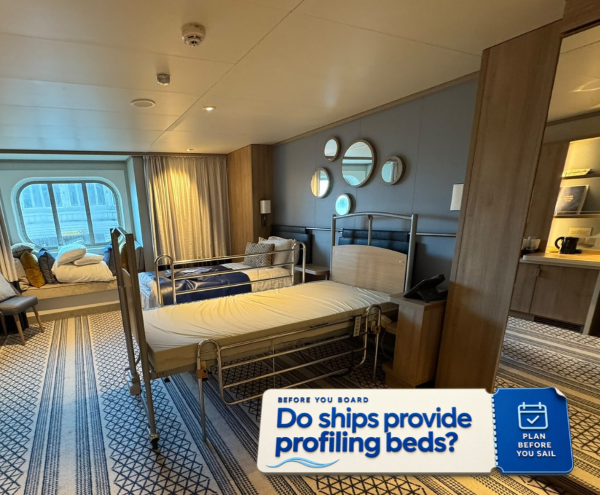
A comfortable night’s sleep can make the difference between enjoying every port day and spending a cruise managing pain, breathlessness or difficult transfers. So, do ships provide profiling beds? Usually, no: a profiling bed is not standard equipment in most accessible cabins. Some cruise lines may be able to consider a request in particular circumstances, but availability, cabin suitability and medical approval can vary considerably.
That does not mean a cruise is out of reach. With the right questions asked early and the right equipment arranged for the specific ship and cabin, many passengers can travel with the support they need.
Do ships provide profiling beds as standard?
Some cruise ships provide fixed beds, but most offer freestanding ones configured as a double (queen ) or two single beds (twin) . Accessible cabins may offer more floor space, wider doorways, accessible bathrooms and features such as grab rails, but this does not include an adjustable bed.
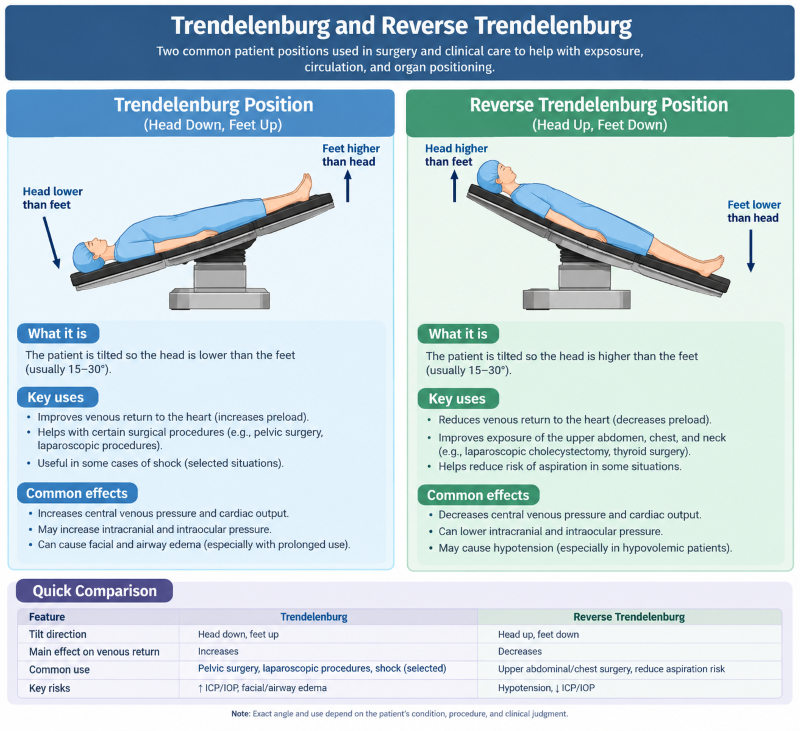
A profiling bed is designed to raise and lower at the back, knees and feet, with the facility to raise and lower the height adding Trendelenburg/ reverse Trendelenburg functionality. These functions can support safer transfers, help a passenger find a more comfortable position and make daily care easier for a partner or carer. Because it is specialist care equipment, a cruise line is unlikely to keep one available for routine guest use.
There are exceptions. A cruise line may have arrangements for medical equipment or may be able to assess a request for an adapted bed. However, this should never be assumed from the cabin description alone. Even where a line is willing to help, the request may depend on the ship, itinerary, cabin layout, embarkation port and the guest’s individual needs.
Why a profiling bed needs to be planned in advance
A profiling bed takes up more room than a conventional cabin bed and must be installed safely. The ship needs to know that there is adequate access through corridors and the cabin doorway, enough clearance around the bed for transfers, and a suitable electrical arrangement. It also needs to be clear whether the existing bed can be removed or repositioned.
For passengers who use a hoist, shower commode chair or wheelchair, the wider room layout matters just as much as the bed itself. A bed that fits physically but leaves no turning space for essential equipment may not be a safe or practical solution.
This is why late requests can be difficult. Cabin allocation, operational checks and delivery arrangements all take time. Raising the requirement before booking, or as soon as possible after booking, gives the cruise line and equipment provider the best opportunity to assess what can be done.
A standard bed may not meet a care need
It can be tempting to ask whether extra pillows, a mattress topper or bed rails will be enough. For someone with a short-term injury or mild discomfort, those options may improve comfort. They do not, however, provide the controlled positioning or adjustable height of a profiling bed.
If a passenger needs help moving from bed to wheelchair, cannot lie flat, is at risk of pressure discomfort, or relies on an adjustable bed at home, it is sensible to seek professional advice before travelling. The aim is not to make the cabin medicalised. It is to make sure the person can rest, transfer and maintain their dignity safely throughout the holiday.
How to arrange a profiling bed for a cruise
The most reliable route is to speak to the cruise line’s accessibility or special assistance team and a cruise-specific mobility equipment provider. Explain the need clearly and ask for the proposed cabin to be checked before equipment is confirmed.
It helps to have the booking reference, ship name, sailing date, embarkation port and cabin number, if it has been allocated. Describe the equipment required rather than simply asking for a “hospital bed”. For example, mention whether height adjustment, backrest elevation, side rails, a pressure-relieving mattress or compatibility with a hoist is needed.
A suitable provider can then confirm the bed dimensions, access requirements and delivery process with the relevant ship or port arrangements. Mobility at Sea specialises in this type of planning for cruises departing from key UK ports, helping customers coordinate equipment that is appropriate for their journey rather than trying to adapt a generic hire arrangement at the last minute.
Do not arrange equipment without checking approval and cabin compatibility first. Cruise ships have their own safety procedures, and equipment brought onboard without prior agreement may not be permitted. This is particularly relevant where the equipment requires power, changes the cabin layout or affects access around the room.
Choosing the right cabin for a profiling bed
An accessible cabin is often the best starting point, but it is not a guarantee that every profiling bed will fit. Some accessible cabins have excellent bathroom facilities but limited clear space beside the bed. Others may be suitable for a wheelchair user but not for a bed, hoist and carer to operate together.
When discussing cabin options, ask whether there is enough room for the bed and for the passenger to transfer safely. Consider where a wheelchair or mobility scooter will be stored, whether the bathroom remains usable, and whether a partner will still have access to their side of the bed. If a carer is travelling, think about where they will stand during personal care and overnight assistance.
Cabins can differ even within the same grade. A deck plan is useful, but it cannot show every fixed item of furniture, turning circle, doorway detail or whether there is a pullman style bed. A proper suitability check is worth the effort, particularly for a first cruise or where care needs have changed since the last holiday.
Questions to ask before you confirm your plans
A few early conversations can prevent a great deal of uncertainty later. Ask the cruise line whether a profiling bed can be accepted in the chosen cabin and whether the existing bed will be removed, moved or remain in place. Confirm the dimensions and weight of the proposed equipment, along with any power requirements.
You should also ask how and when the bed will be delivered, whether it will be installed before embarkation, and who will collect it at the end of the sailing. If you need additional equipment, check that everything has been considered together rather than one item at a time.
Most importantly, be open about the level of support required. Cruise lines and specialist suppliers are better able to help when they understand whether the bed is for comfort, independent transfers, overnight care or a more complex clinical need.
What if the ship cannot accommodate a profiling bed?
If the answer is no, there may still be alternatives, depending on the reason for the request. A different accessible cabin, a different ship or a different sailing may provide more suitable space. For some passengers, an electric recliner chair can offer a comfortable place to rest during the day and support easier standing, though it is not a replacement for a profiling bed at night.
It may also be appropriate to discuss the proposed journey with the passenger’s GP, occupational therapist or other healthcare professional. They can help assess whether travel is suitable and identify the equipment or support that is genuinely necessary. Cruise staff and equipment providers can advise on practical arrangements, but they cannot replace individual clinical advice.
Can a profiling bed be used with a hoist?
In most instances yes, but both items must be assessed together. The cabin needs enough floor space and the bed must be compatible with the type of hoist being used. A mobile hoist needs room for its legs to pass beneath the bed, while a stand aid may require different positioning and clearance.
Is a medical letter required?
Requirements vary. A cruise line may ask for medical information, especially where equipment is needed for a significant care requirement. Even when it is not compulsory, clear written information about the passenger’s needs can support the planning process.
How far ahead should a profiling bed be booked?
As early as possible. Equipment availability, ship approval and cabin suitability all need to align. Booking early gives more choice and allows time to resolve any practical issues without pressure.
Needing a profiling bed should not mean settling for uncertainty or missing out on time at sea. Start the conversation early, choose a cabin around the person’s real day-to-day needs, and make sure every item of equipment has been planned as part of one safe, comfortable arrangement.